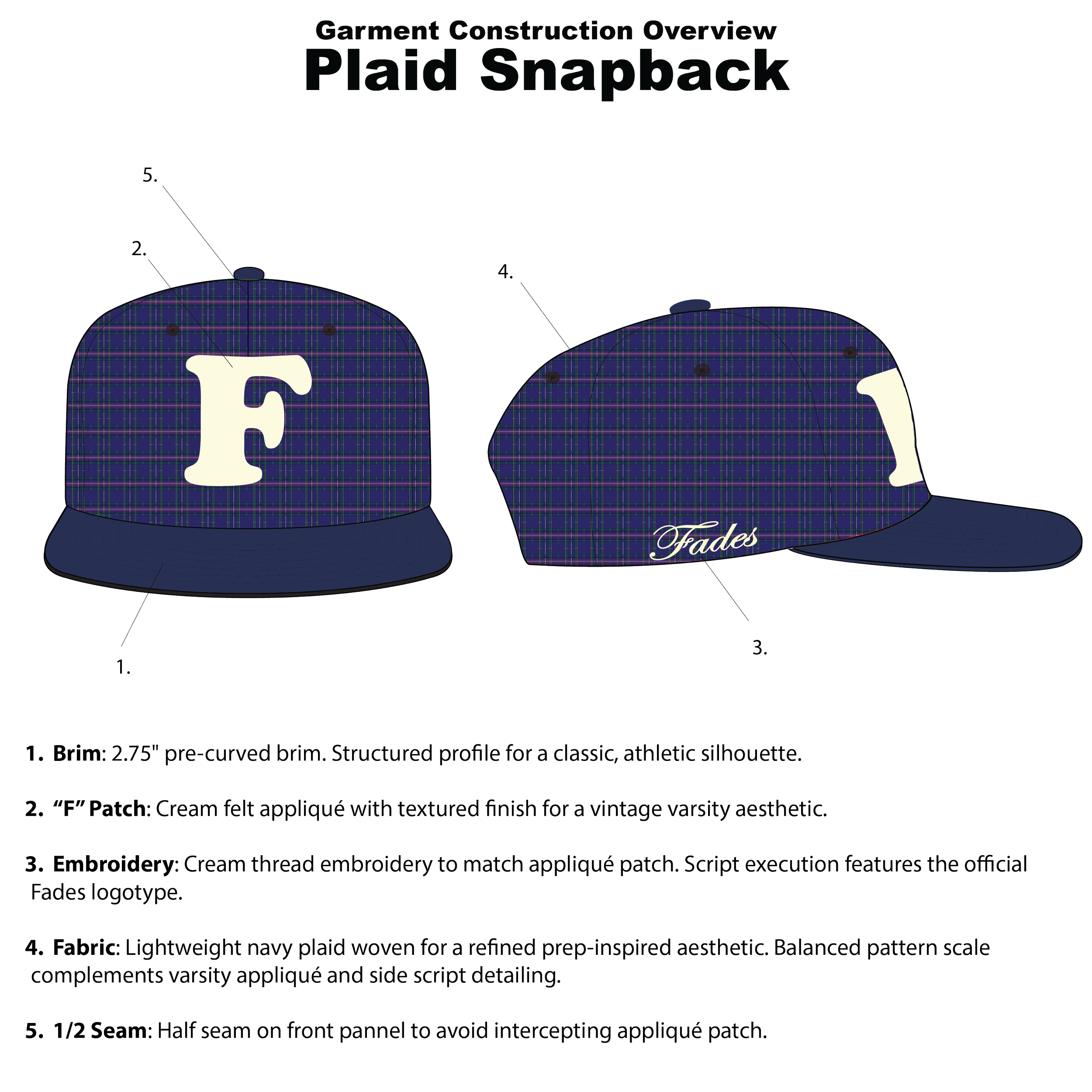
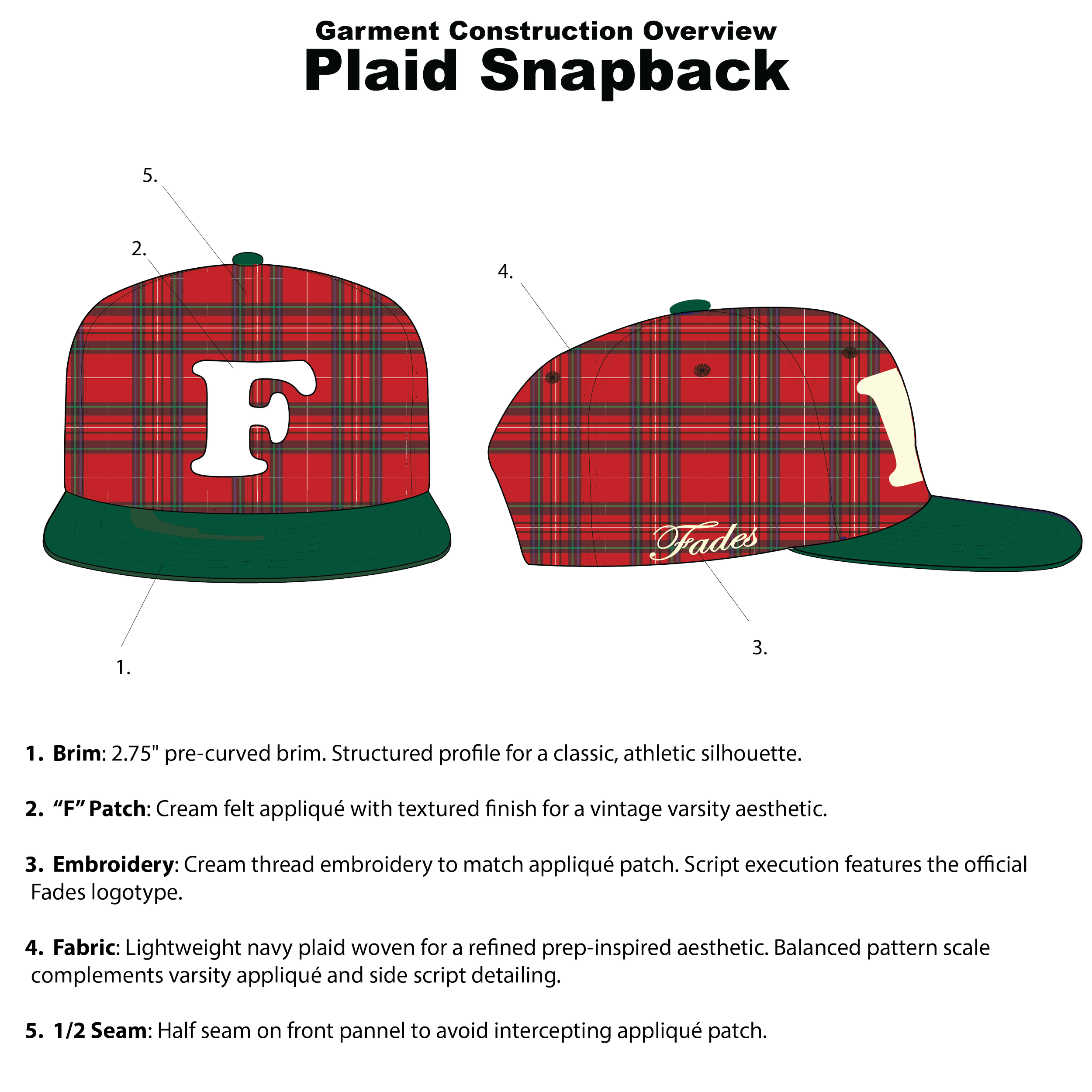
Plaid Cap
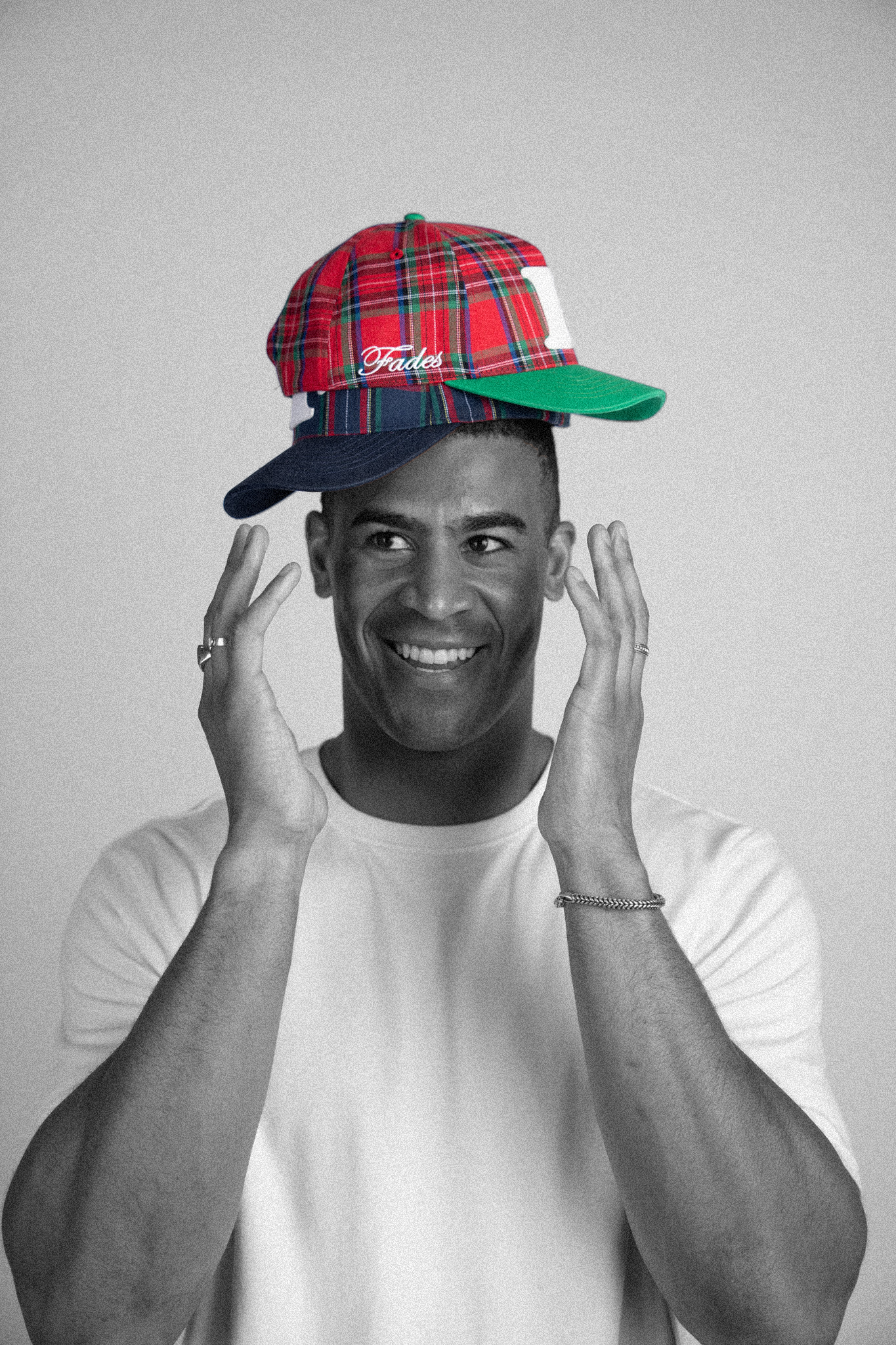
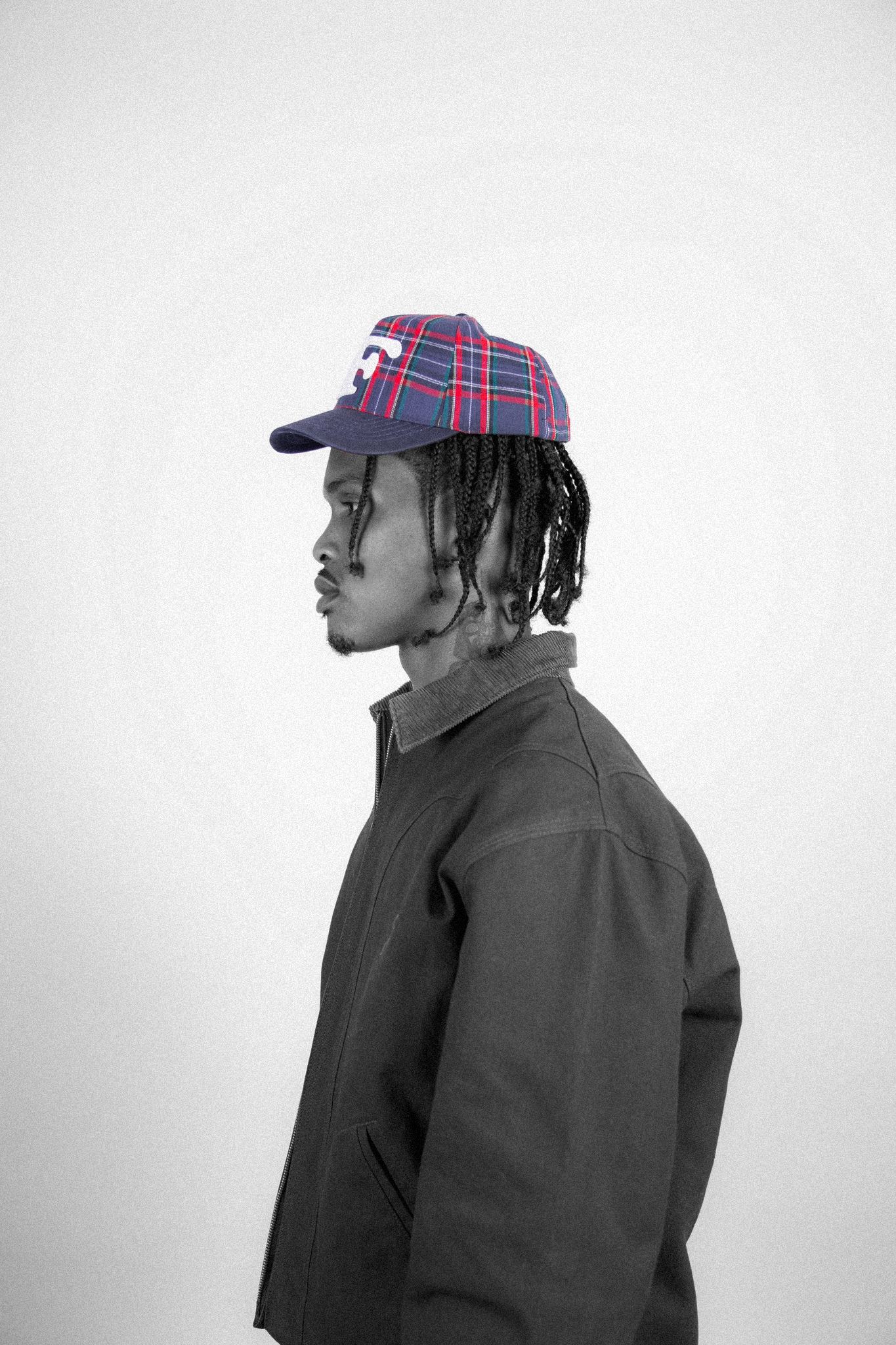
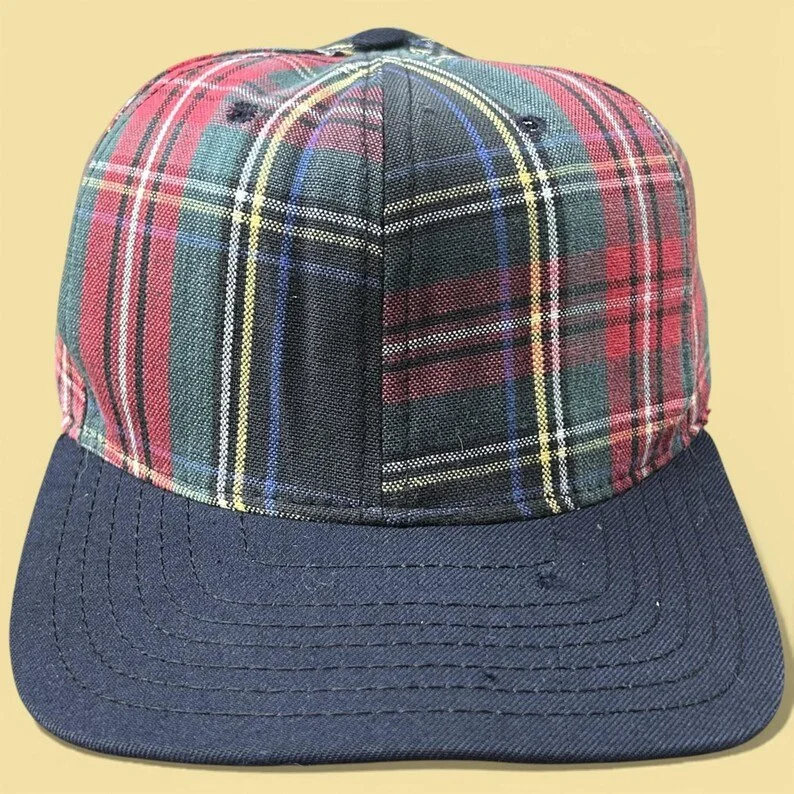
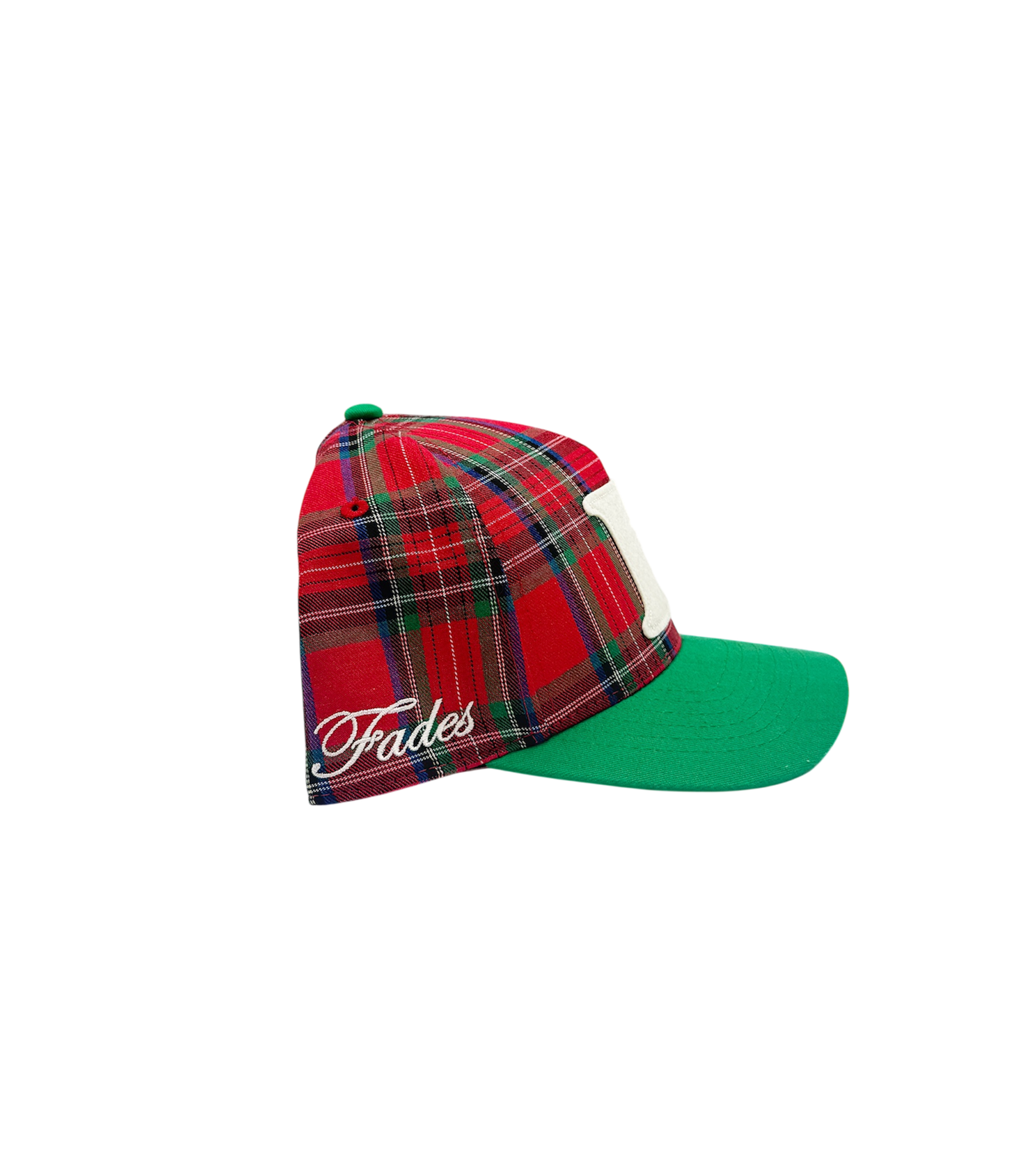
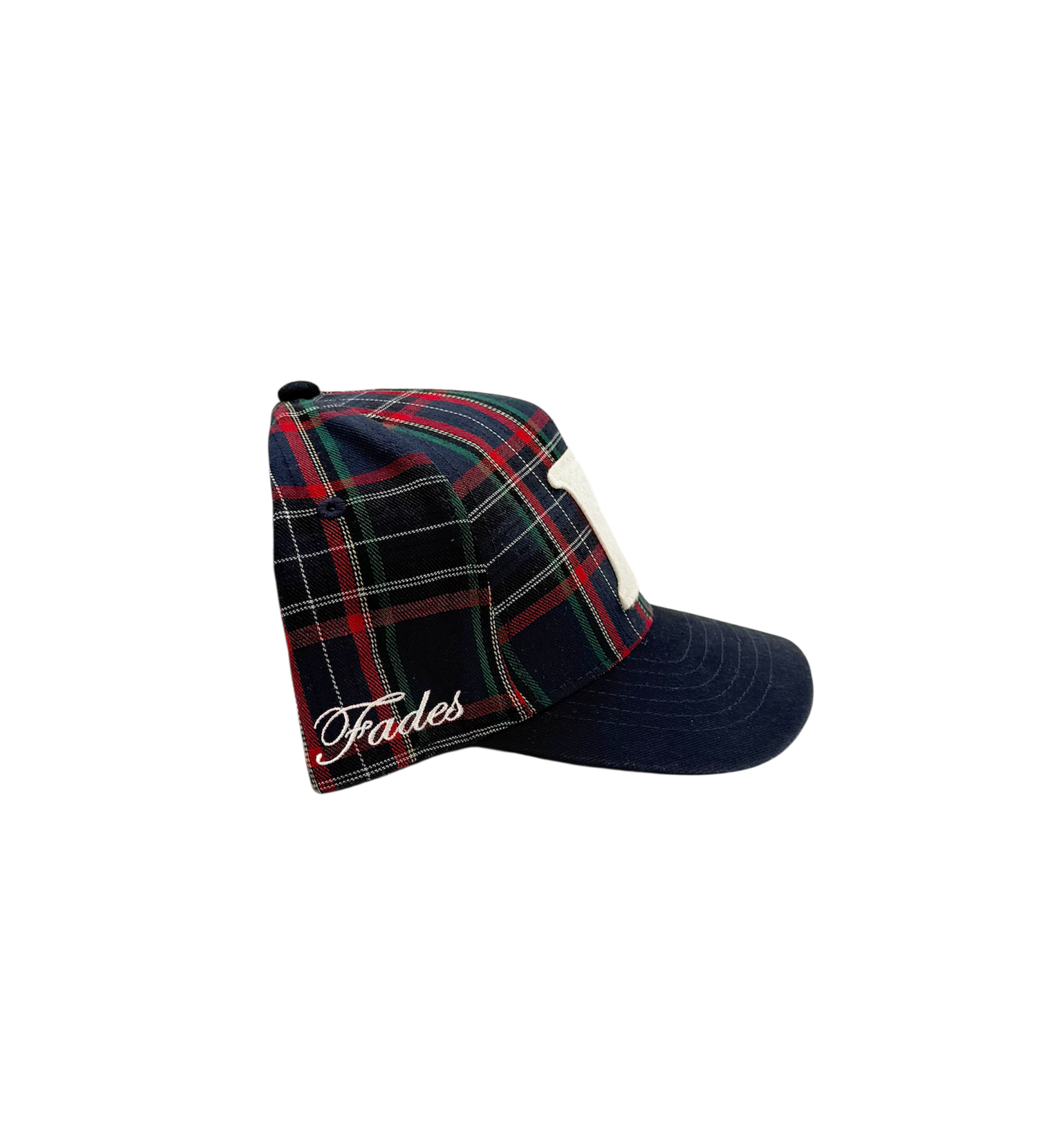
The Plaid Cap was designed with versatility at its core. Having worked in corporate environments, I wanted to create a hat that could seamlessly complement more polished, professional outfits while still feeling natural with casual wear like denim or sweats.
The goal was balance. It needed to feel structured enough to elevate a look, yet relaxed enough for everyday wear. Plaid was chosen intentionally. Unlike many patterns that lean heavily toward formal or overly casual, plaid offers dimension and character while remaining adaptable across settings. It adds visual interest without overwhelming an outfit.
Inspiration
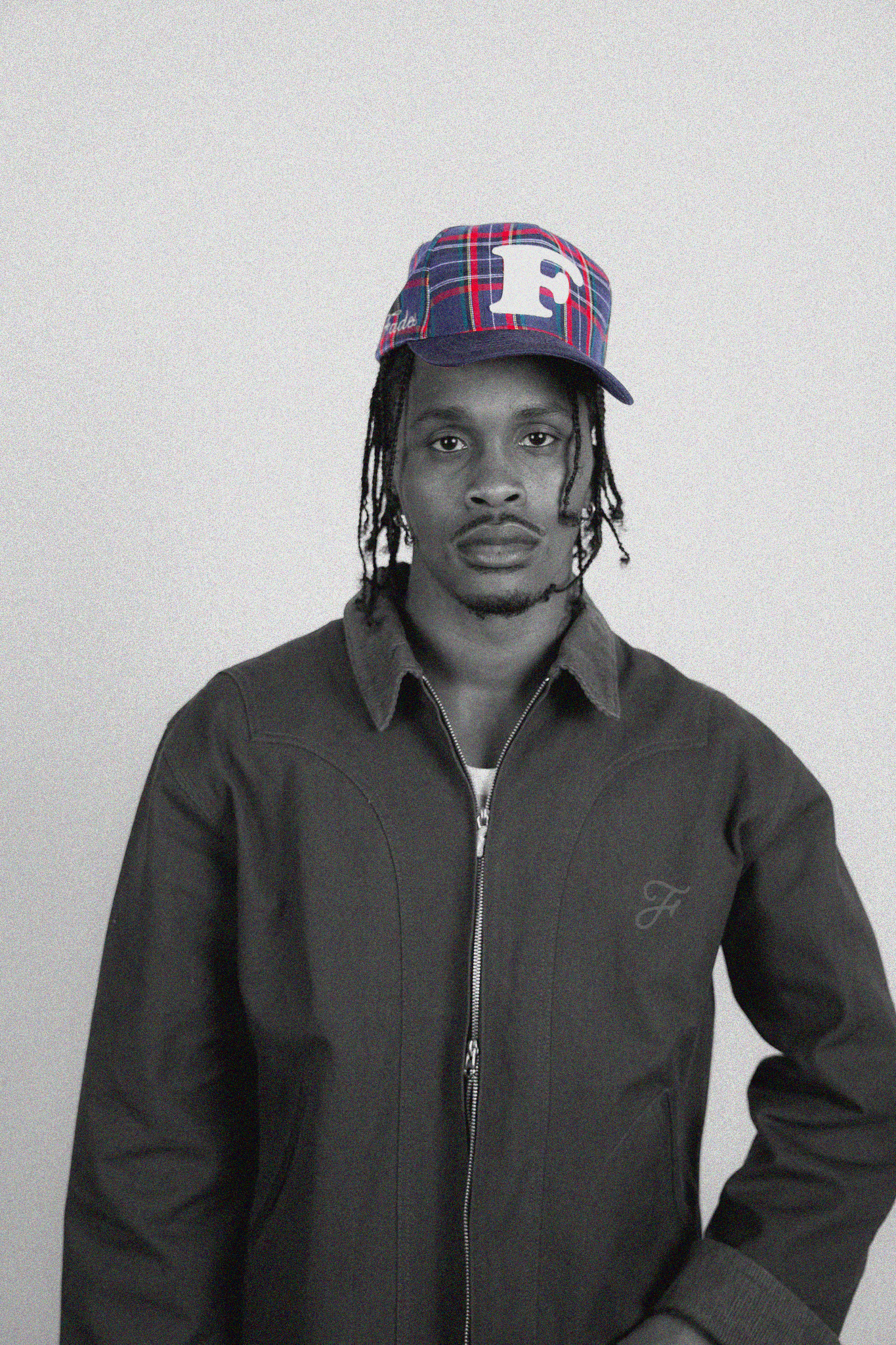
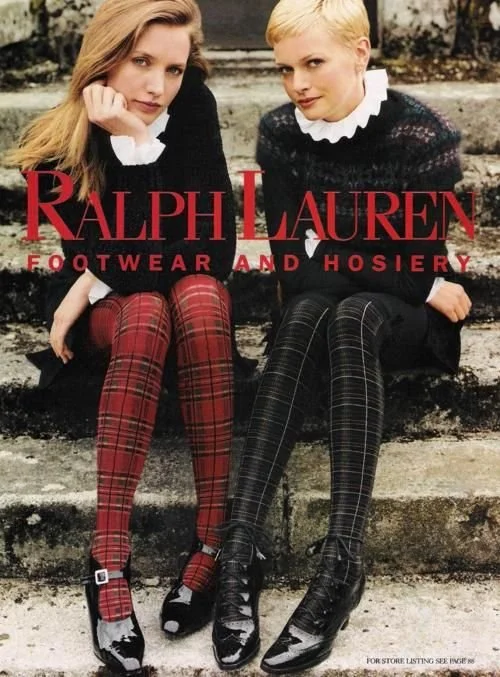
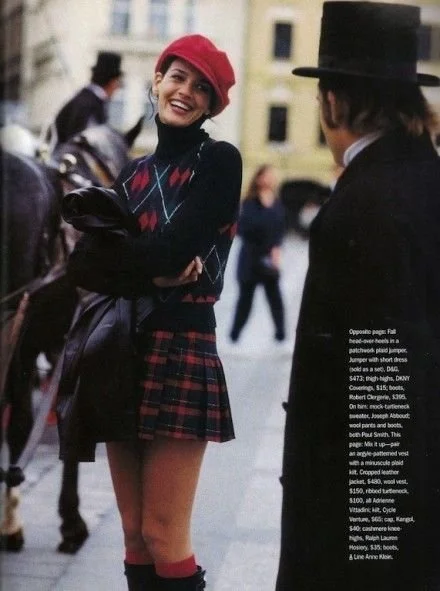
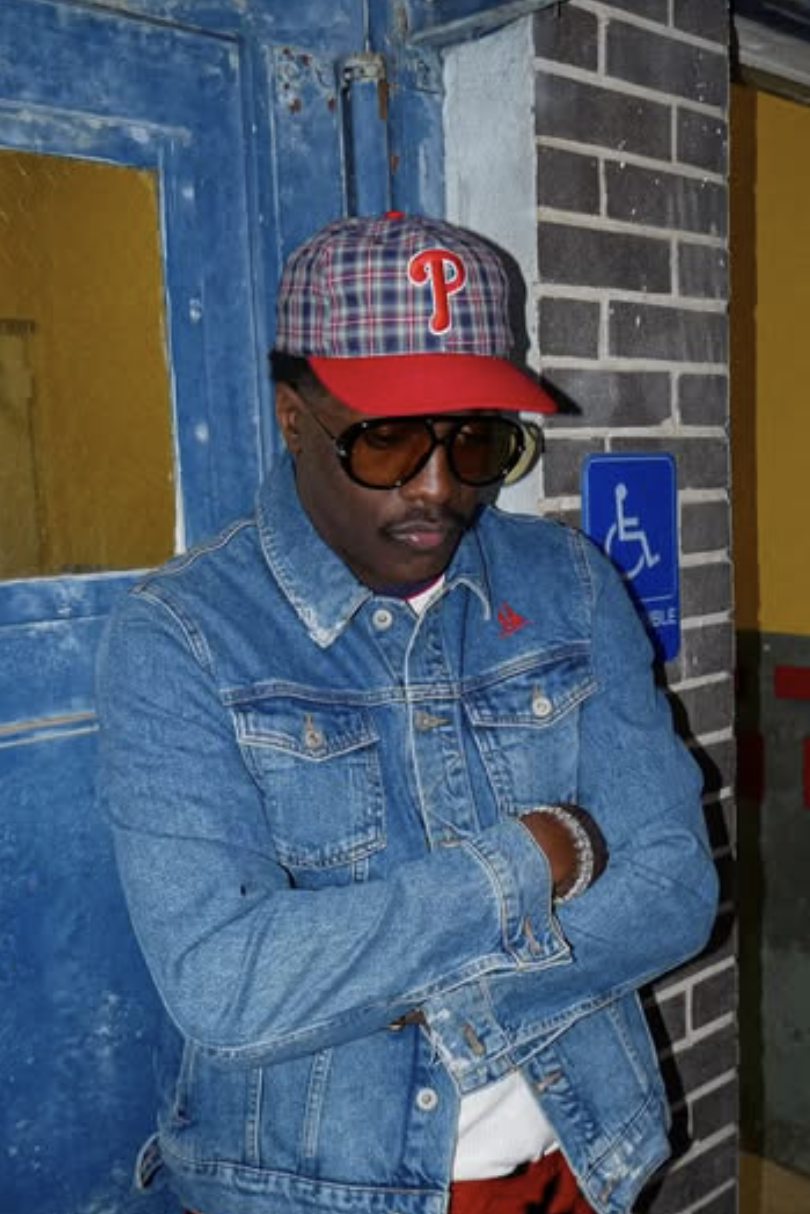
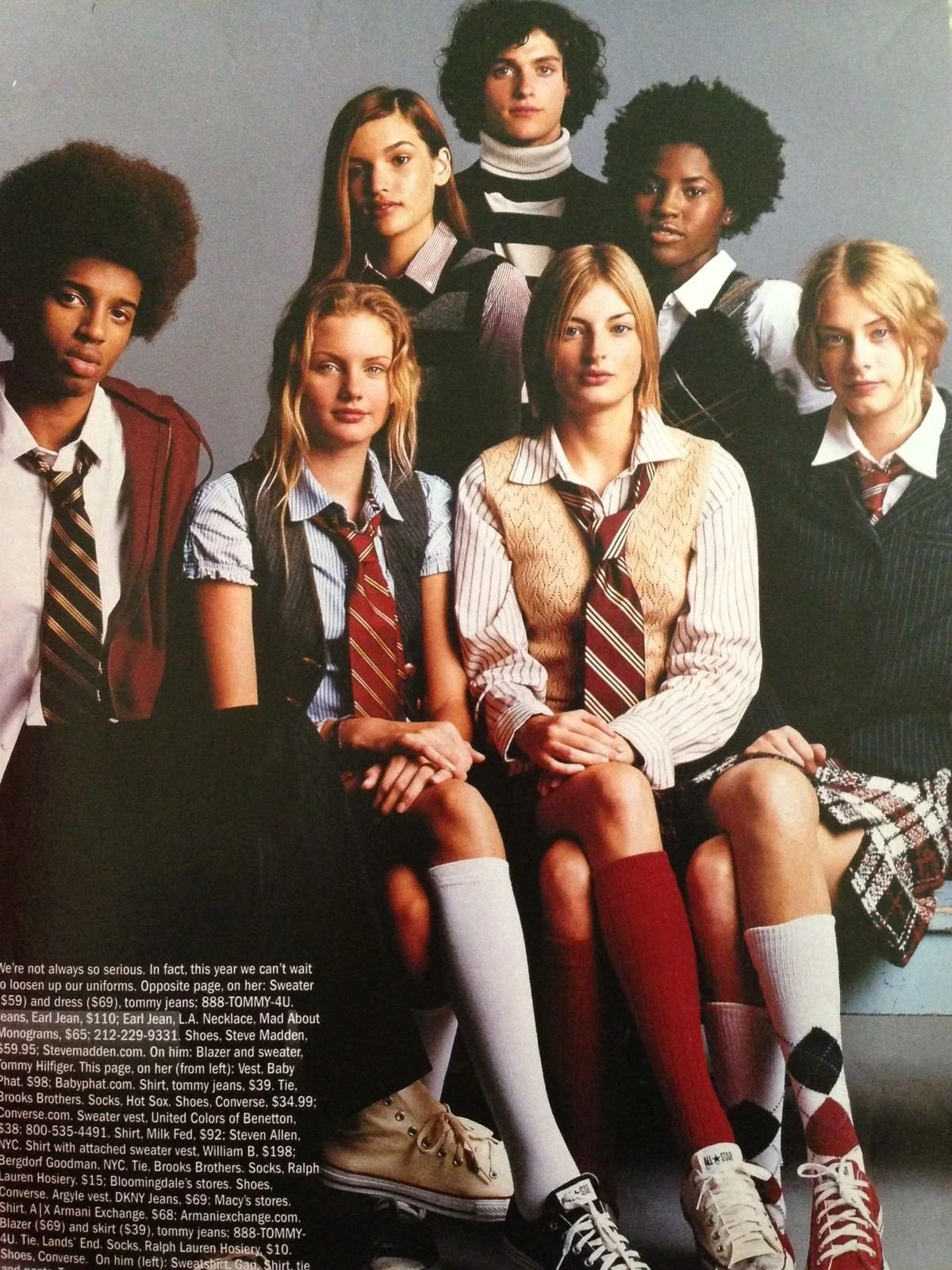
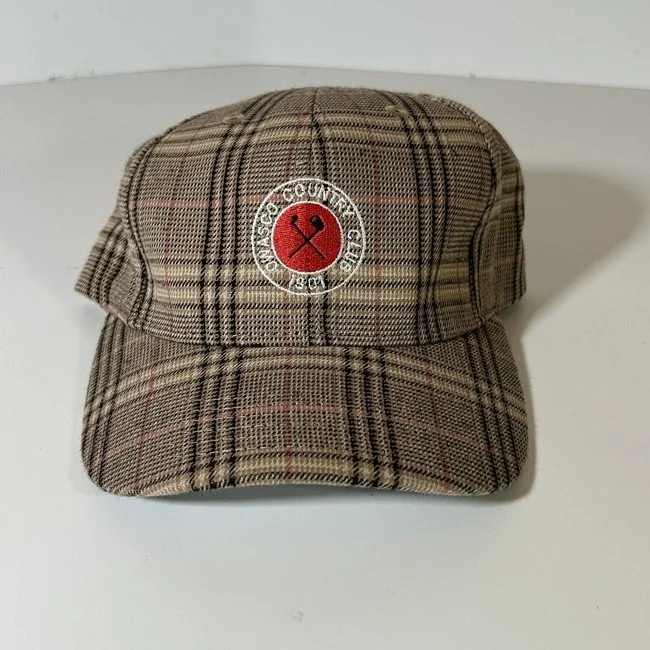
I was primarily inspired by the plaid hats I’ve seen over the years, especially the vintage plaid caps from the ’90s, worn by sports teams, featured on television, and even appearing in unexpected spaces like country-club snapbacks. Plaid has always felt like a pattern that transitions effortlessly into a more elevated, luxury space while still maintaining its casual versatility. It can be dressed up or worn casually with jeans or sweatpants, making it both adaptable and timeless.
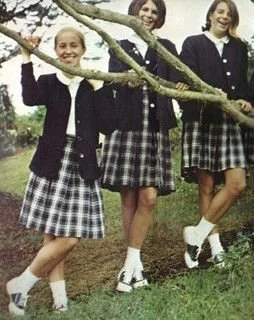
I was also influenced by Ralph Lauren and classic prep aesthetics tied to the idea of “the uniform.” Seeing plaid consistently appear in some of my favorite pieces made it clear that I wanted to create an everyday staple, something beyond the sweaters and jackets I had previously designed. The goal was to reinterpret plaid in a way that felt intentional, wearable, and refined. Painting it with a baseball cap does just that.

Process
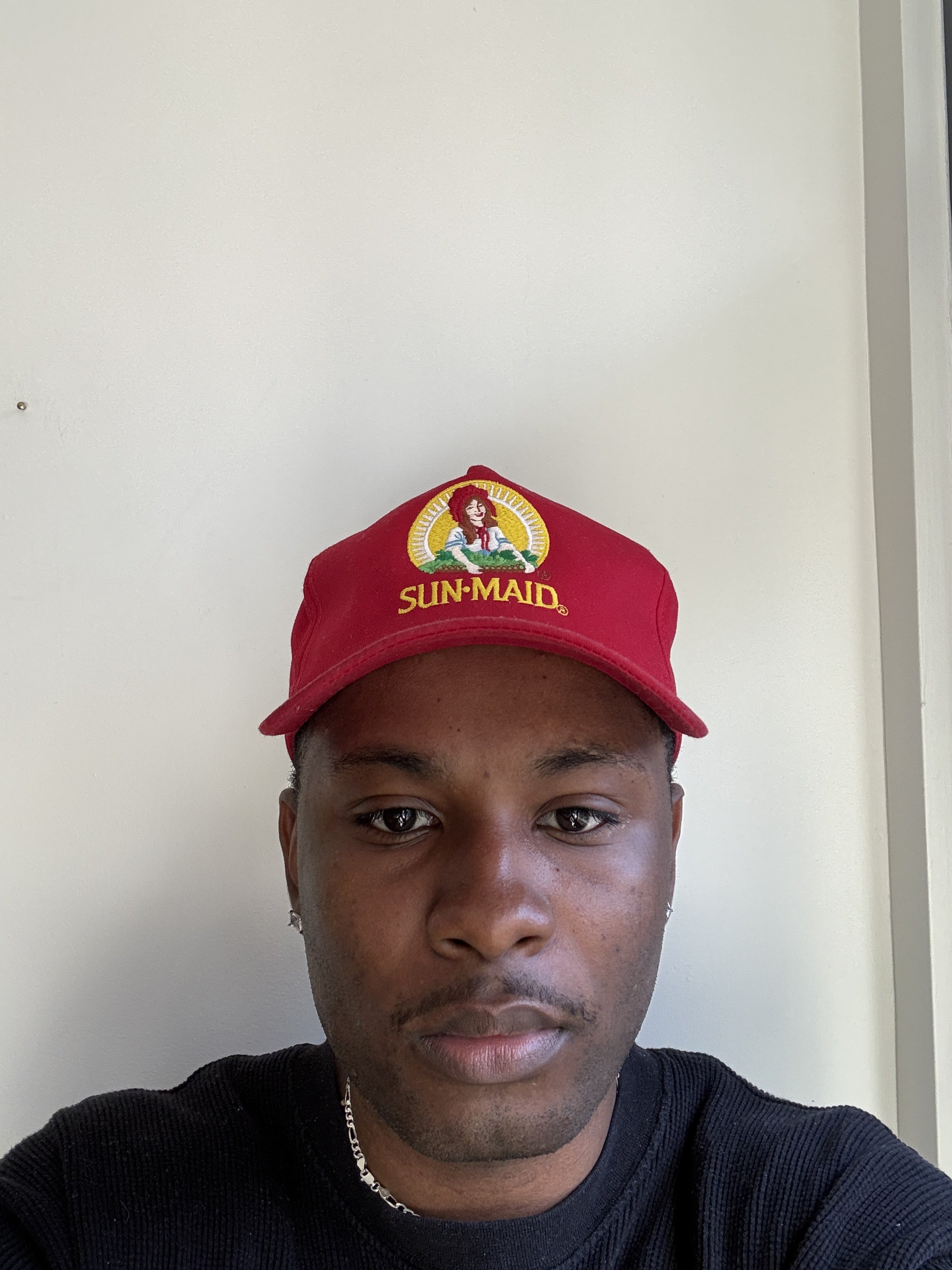
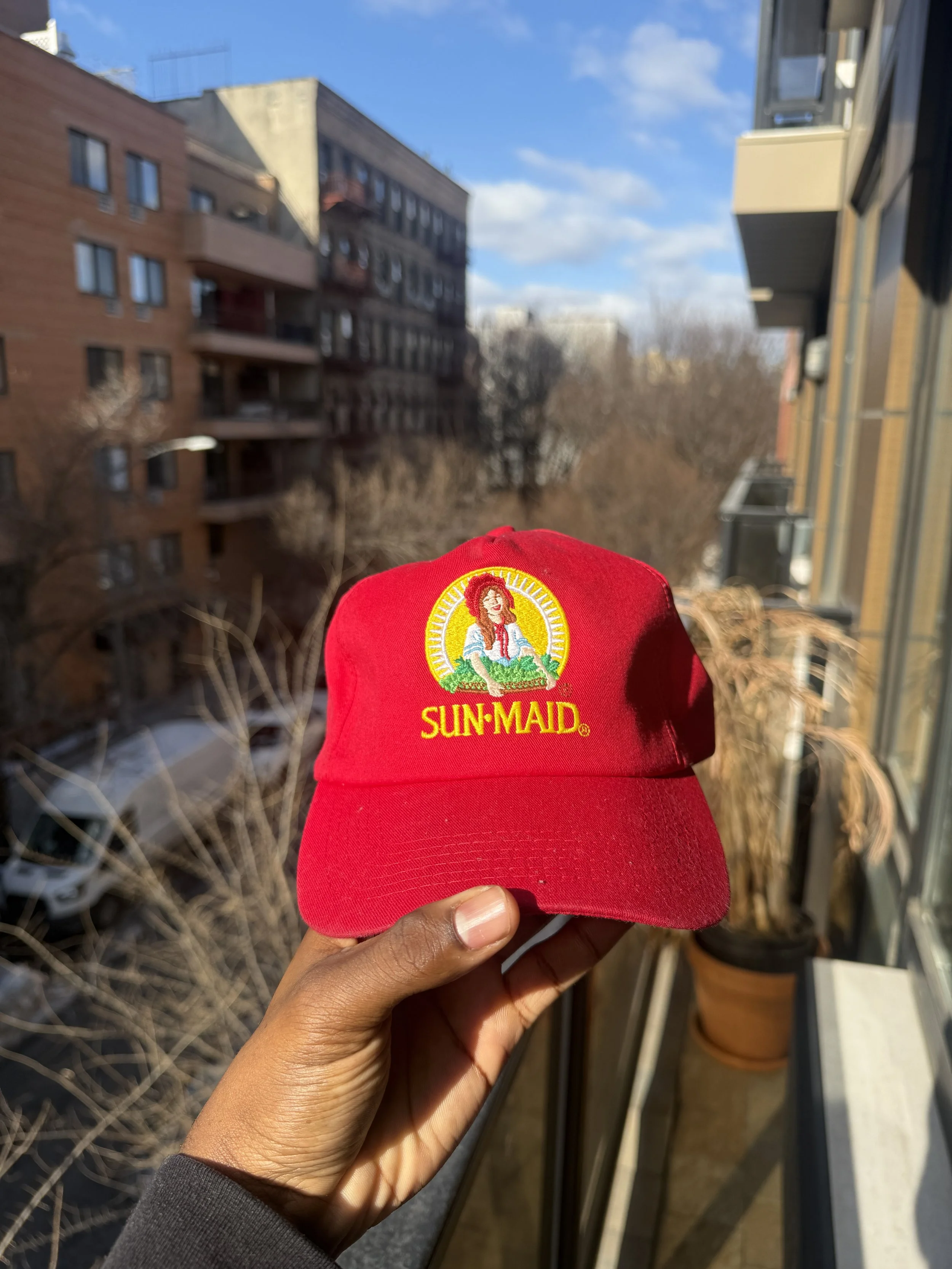
Having primarily worked with embroidery and screen printing on blank hats, this project marked a shift into cut-and-sew production, an entirely new process for me with hats. Rather than starting with a traditional tech pack, I used a vintage “sun-dried raisin” snapback from my personal archive that I’ve always considered the perfect shape. I provided this hat to the manufacturer as a physical reference, asking them to replicate the panel measurements while trimming the brim by a quarter inch to refine the proportions.
Although I initially wanted to recreate the same unstructured fit, I ultimately chose a structured crown. This decision aligned more closely with the brand direction, allowing the wearer to create their own worn-in aesthetic over time through natural wear.
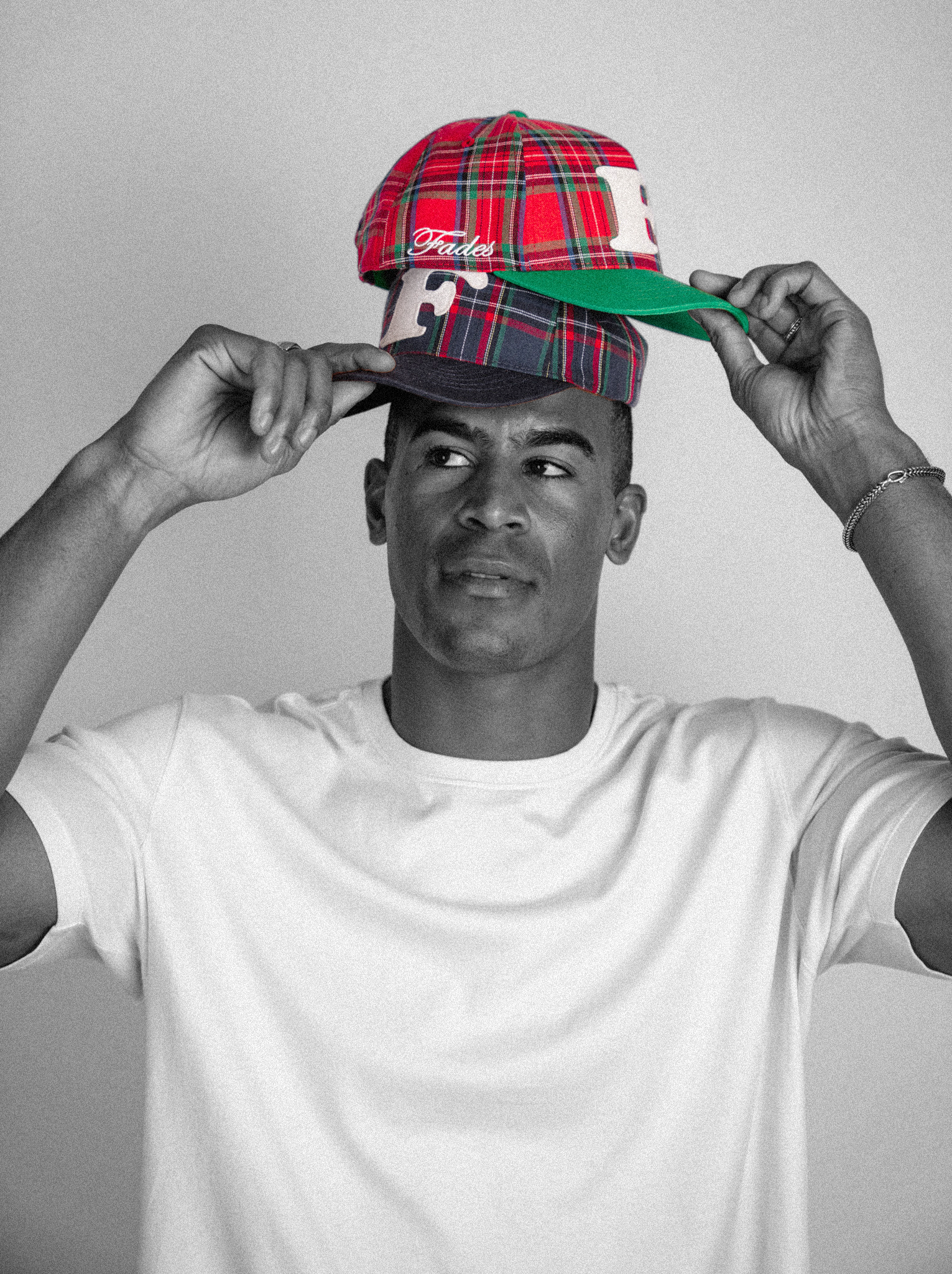
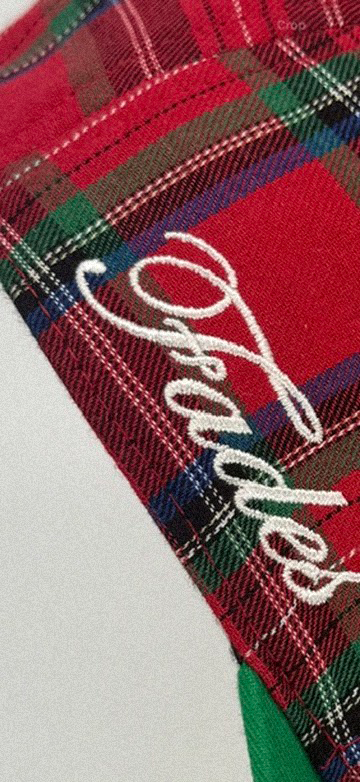
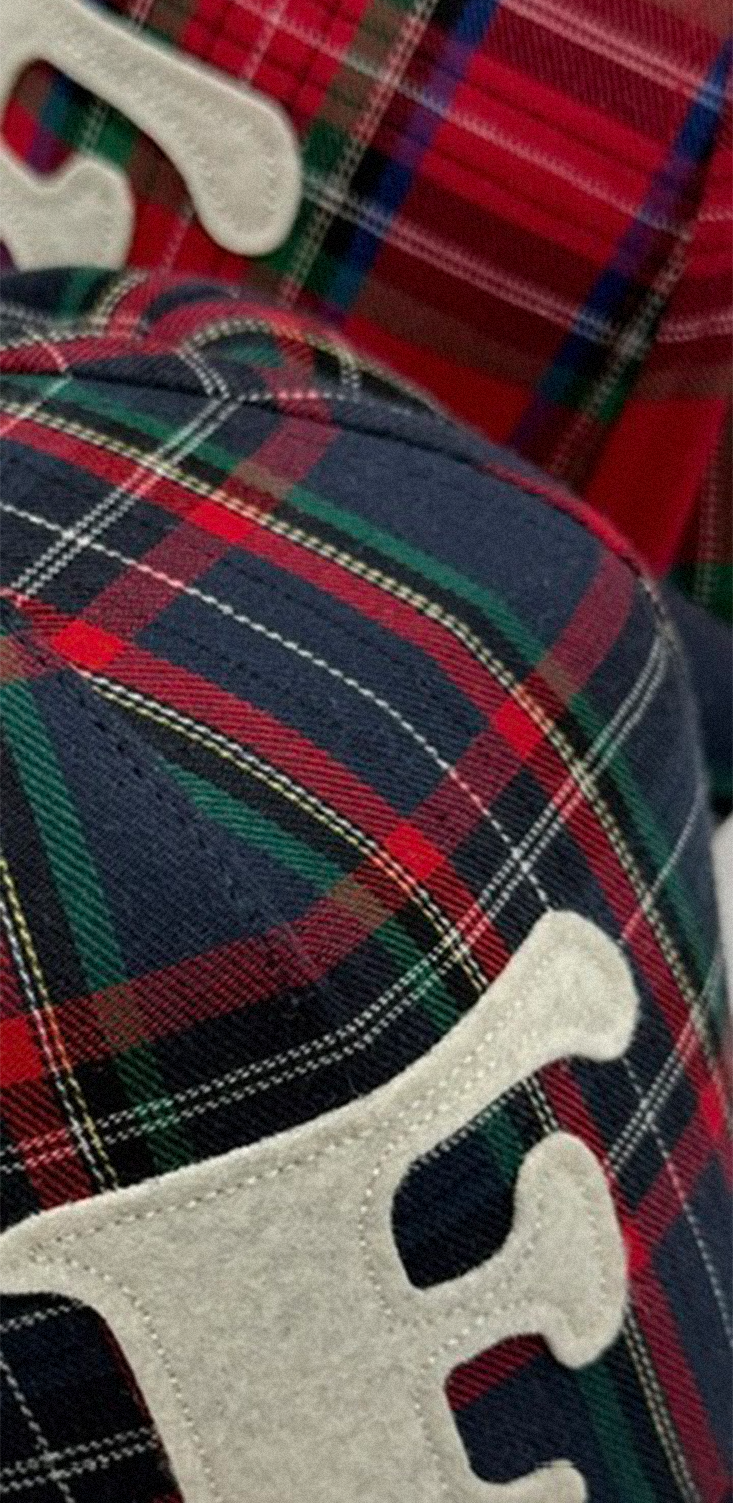
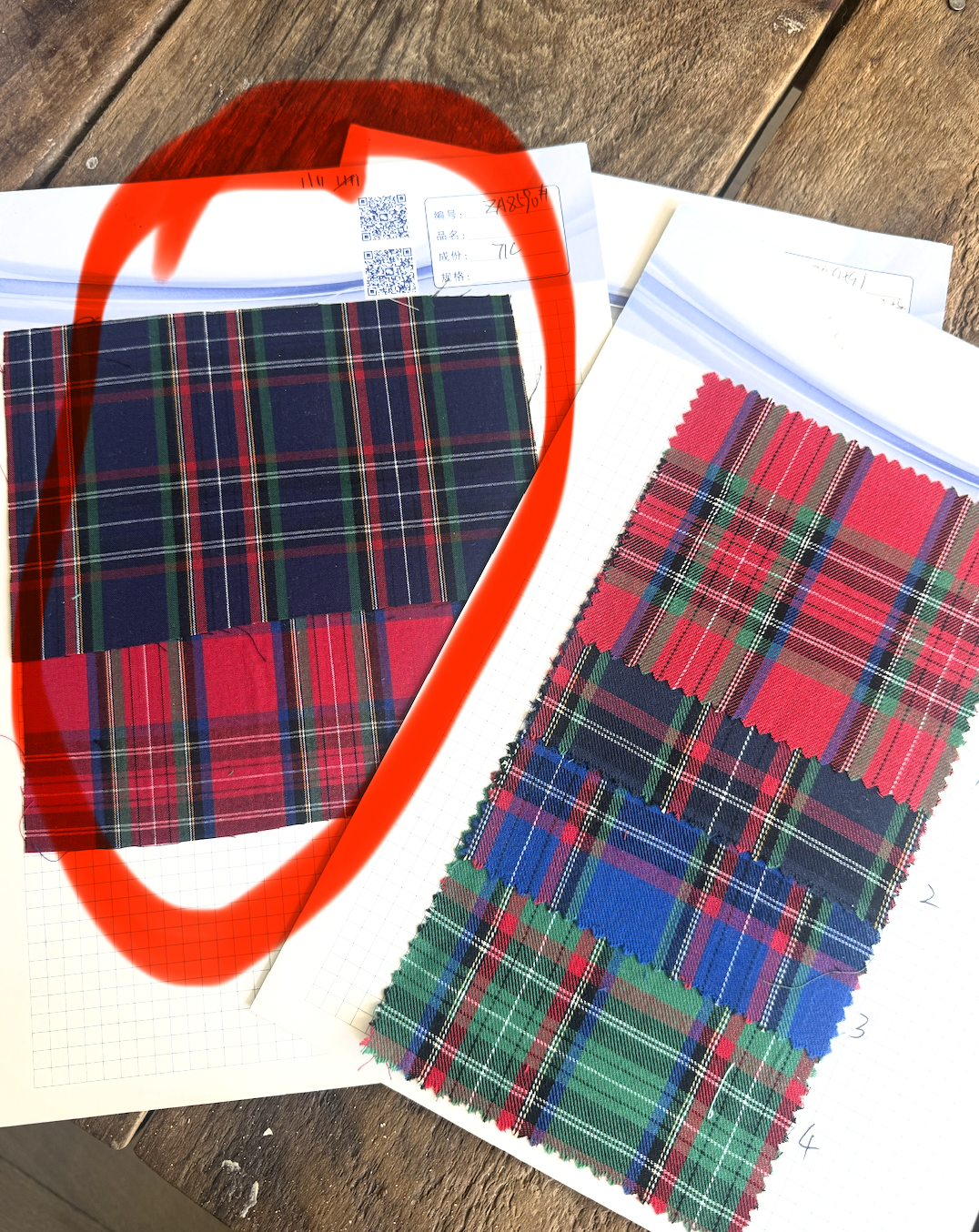
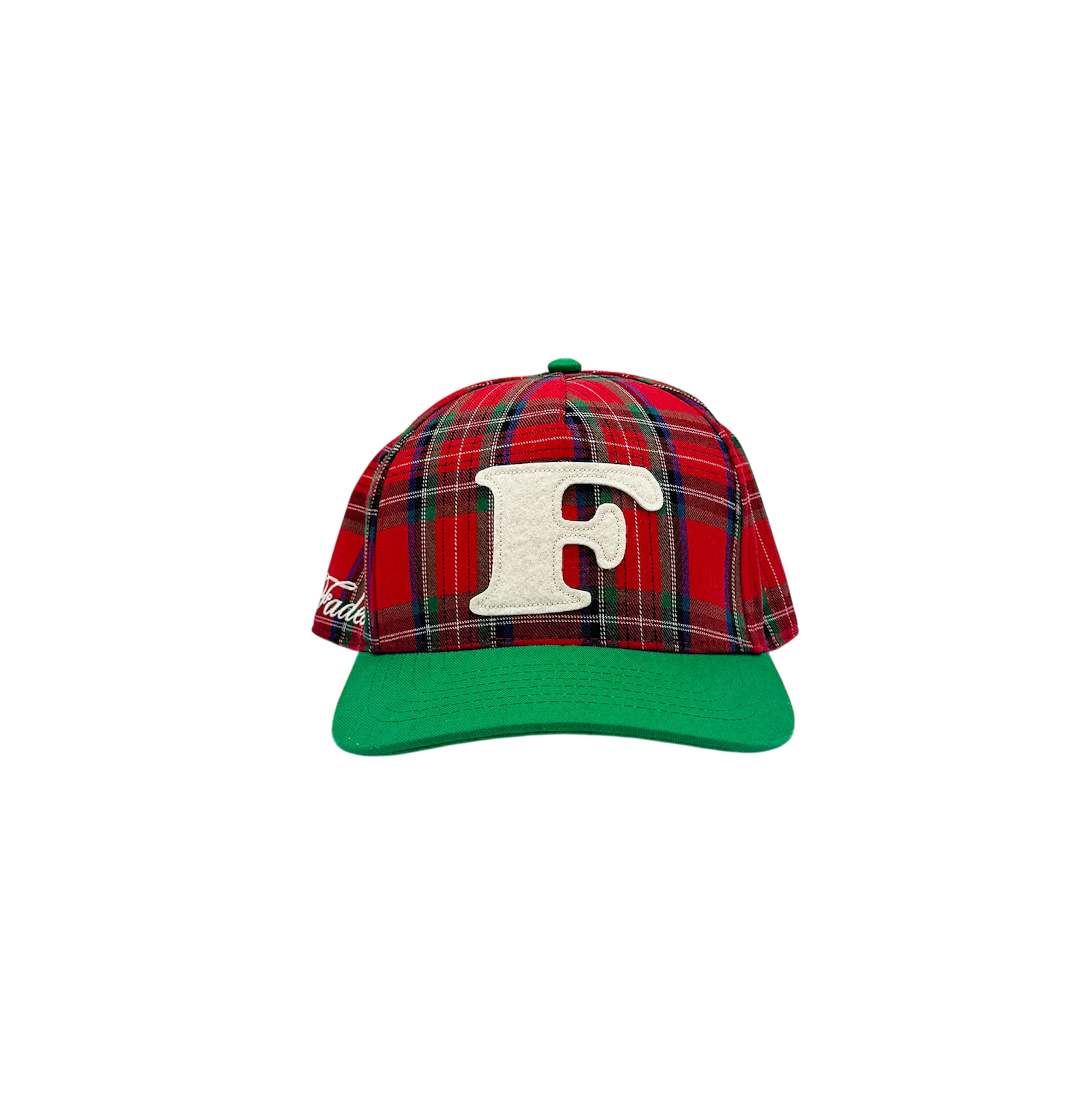
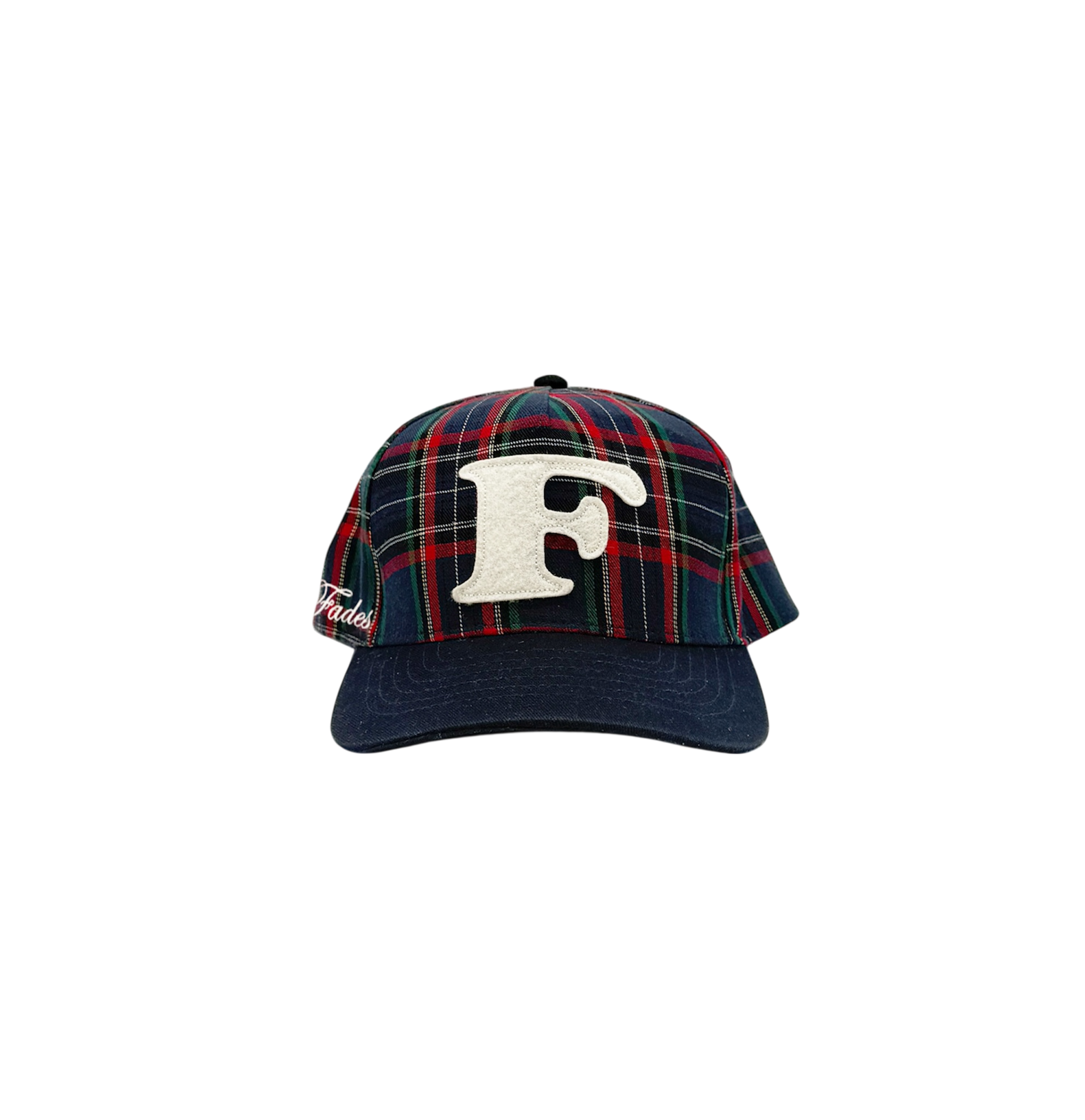
When reviewing plaid swatches, I selected two options that felt both elevated and relaxed. One features a navy brim for a tonal, understated look. The other has a red plaid crown with a contrasting green brim, pulled from a subtle green line within the pattern. This experience reinforced the importance of a strong physical reference in product development; it not only simplifies communication with pattern makers but also ensures precision as production scales up.
Garment Contruction